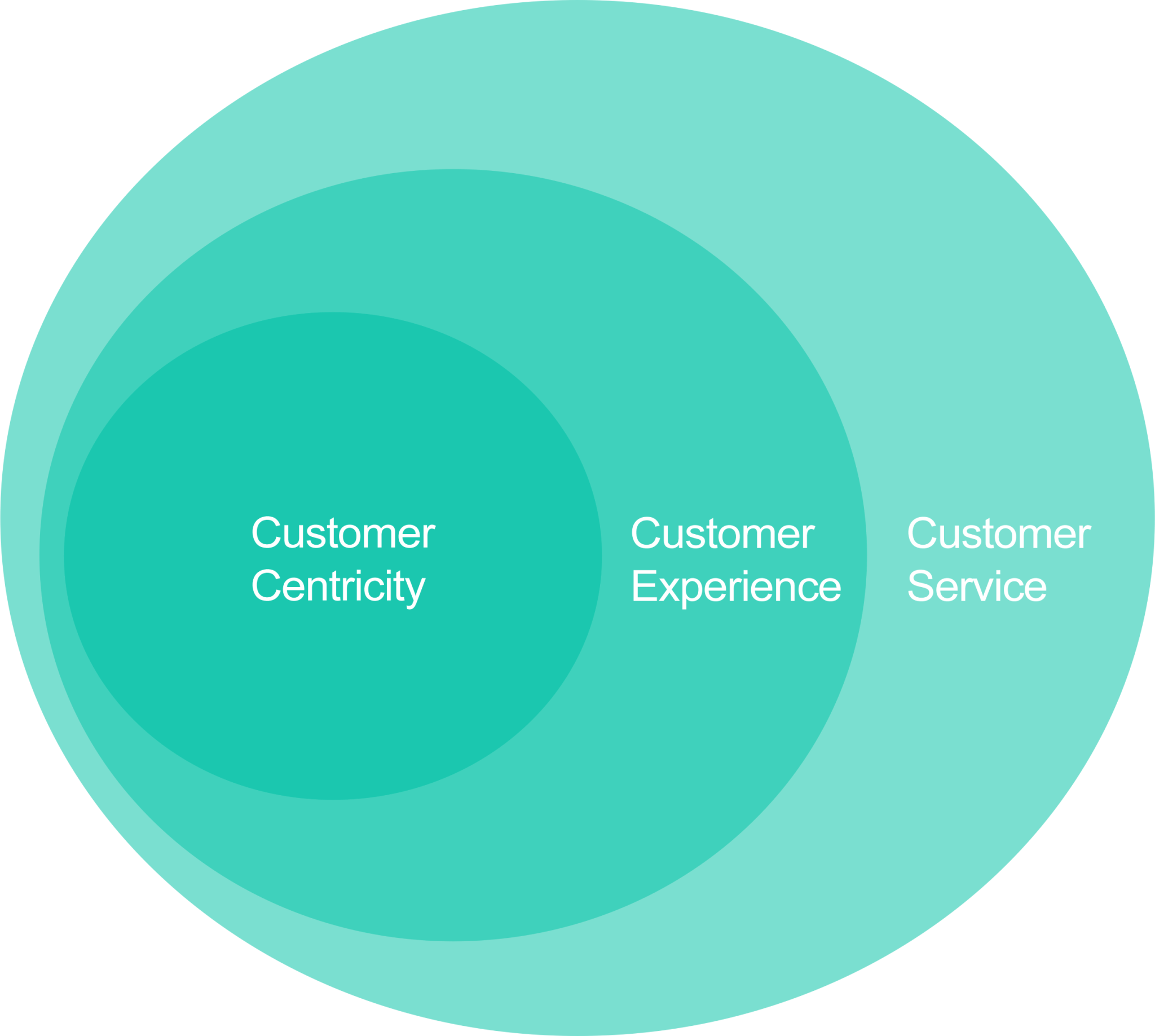
Focus on the Right Customers for Strategic Advantage
Build products or services based on most profitable customer’s problem.
1. Executive Summary
The core message of the book is simple but controversial:
The customer is not always right. The right customers are always right.
Most companies operate using a product-centric model, focusing on creating, improving, and selling products. Peter Fader argues that while this approach has worked for decades, technological change, globalization, deregulation, and empowered consumers have reduced its effectiveness.
The alternative is customer centricity, a business strategy that identifies the most valuable customers, understands them deeply, and allocates resources disproportionately to maximize their long-term value.
- Focus on the Right Customers for Strategic Advantage
- 1. Executive Summary
- 2. Key Concepts
- 3. Why Product Centricity Is Becoming Vulnerable
- 4. Customer-Friendly vs Customer-Centric
- 5. Common Misunderstandings
- 6. Organizational Changes Required
- 7. Financial Benefits of Customer Centricity
- 8. The Customer-Centric Paradox
- 9. Tesco Case Study
- 10. Practical Lessons for Managers
- Final Takeaway
2. Key Concepts
2.1 Product Centricity
Definition
A business model where the organization is built around products and product expertise. Success comes from creating great products, selling more of them, and increasing market share.
Characteristics
- Organization structured around products
- Product expertise is the main competitive advantage
- Continuous product development and versioning
- Brand value prioritized over customer value
Typical Cycle
flowchart TD
    A[Create Product] --> B[Market Product]
    B --> C[Sell Product]
    C --> D[Increase Volume]
    D --> E[Lower Costs]
    E --> F[Increase Profit]
    F --> |Repeat| A
Examples
- Apple
- Walmart
- Costco
- Coca-Cola
2.2 Customer Centricity
Definition
A strategy that aligns a company’s products and services with the current and future needs of a selected group of customers to maximize their long-term financial value to the firm.
Core Principles
- Not all customers are equal.
- Some customers generate significantly more value.
- Resources should be allocated according to customer value.
- Long-term profitability is more important than short-term sales.
- Companies should intentionally design around high-value customers.
Customer-Centric Cycle
flowchart TD
    A[Identify Best Customers]
    B[Understand Their Needs]
    C[Design Relevant Products/Services]
    D[Increase Customer Value]
    E[Improve Profitability]
    F[Find More Similar Customers]

    A --> B
    B --> C
    C --> D
    D --> E
    E --> F
    F --> |Repeat| A
Comparison with product-centricity
---
title: Product Centricity
---

flowchart TD

    subgraph RND
        A[Create Product]
    end

    subgraph Campaign
        B[Market Product]
        C[Sell Product]
    end

    subgraph Monetize
        D[Increase Volume]
        E[Lower Costs]
        F[Increase Profit]
    end

    A --> B
    B --> C
    C --> D
    D --> E
    E --> F
    F -->|Repeat| A

    style RND fill:#dbeafe,stroke:#2563eb,stroke-width:2px
    style Campaign fill:#dcfce7,stroke:#16a34a,stroke-width:2px
    style Monetize fill:#fed7aa,stroke:#ea580c,stroke-width:2px

    style A fill:#eff6ff
    style B fill:#f0fdf4
    style C fill:#f0fdf4
    style D fill:#fff7ed
    style E fill:#fff7ed
    style F fill:#fff7ed
---
title: Customer Centricity
---
flowchart TD
subgraph RND
A[Identify Best Customers]
B[Understand Their Needs]
C[Design Relevant Products/Services]
F[Find More Similar Customers]
end
subgraph Campaign
D[Increase Customer Value]
end
subgraph Monetize
E[Improve Profitability]
end
A --> B
B --> C
C --> D
D --> E
E --> F
F -->|Repeat| A
style RND fill:#dbeafe,stroke:#2563eb,stroke-width:2px
style Campaign fill:#dcfce7,stroke:#16a34a,stroke-width:2px
style Monetize fill:#fed7aa,stroke:#ea580c,stroke-width:2px
style A fill:#eff6ff
style B fill:#eff6ff
style C fill:#eff6ff
style F fill:#eff6ff
style D fill:#f0fdf4
style E fill:#fff7edBoth approaches follow the same growth loop of:
flowchart TD
    A[RND] --> B[Campaign]
    B --> C[Monetization]
    C -->|Repeat| A

    style A fill:#dbeafe,stroke:#3b82f6,color:#000
    style B fill:#dcfce7,stroke:#22c55e,color:#000
    style C fill:#fed7aa,stroke:#f97316,color:#000
but they differ in what drives product and service decisions: Product Centricity starts with what the company can create, while Customer Centricity starts with understanding who the best customers are and what they need.
3. Why Product Centricity Is Becoming Vulnerable
Fader identifies four major forces creating “cracks in the foundation” of product-centric businesses.
3.1 Technology
Products and innovations can be copied rapidly.
Impact:
- Competitive advantage disappears faster.
- Product lifecycles become shorter.
- Innovation alone is insufficient.
3.2 Globalization
Customers can buy worldwide.
Impact:
- Geographic advantages disappear.
- New competitors emerge globally.
- Local businesses face international competition.
3.3 Deregulation
Protected industries become competitive.
Impact:
- Former monopolies lose secure customer bases.
- Companies must actively compete for customers.
3.4 Consumer Empowerment
Customers have more choices than ever.
Impact:
- Lower loyalty.
- Easier switching between brands.
- Higher customer expectations.
3.5 Data Availability
Modern companies can collect and analyze vast customer-level data.
Impact:
- Competitive advantage shifts from products to customer understanding.
- Companies ignoring customer data risk being outperformed.
4. Customer-Friendly vs Customer-Centric
One of the most important lessons from the book.
Customer-Friendly
Being polite and providing excellent service.
Examples:
- Nordstrom
- Starbucks
Characteristics:
- Good customer service
- Positive customer experience
- Attempts to satisfy everyone
Customer-Centric
Using customer data and analytics to maximize profitable customer relationships.
Characteristics:
- Understand individual customers
- Measure customer value
- Differentiate treatment based on value
- Make decisions using customer data
Important Lesson
A company can be:
✅ Customer-friendly
but
❌ Not customer-centric
at the same time.
5. Common Misunderstandings
Misunderstanding #1
“The customer is always right.”
Better Principle
“The right customers are always right.”
Misunderstanding #2
“All customers should receive equal attention.”
Better Principle
Different customers deserve different investments because their value differs dramatically.
Misunderstanding #3
“Excellent service equals customer centricity.”
Better Principle
Customer centricity is a profit-focused business strategy, not a service philosophy.
6. Organizational Changes Required
A company moving to customer centricity must transform itself.
Structure
| From | To |
|---|---|
| “Product Teams” | “Customer Segment Teams” |
Decision Making
| From | To |
|---|---|
| “What products should we build?” | “What do our best customers need?” |
Metrics
| From | To |
|---|---|
| Sales | Customer value |
| Market share | Retention |
| Units sold | Acquisition quality |
| — | Lifetime profitability |
7. Financial Benefits of Customer Centricity
According to Fader, customer centricity improves profitability in three areas.
7.1 Customer Acquisition
Benefits:
- Better targeting
- Lower acquisition costs
- More referrals
- Higher-quality customers
7.2 Customer Retention
Benefits:
- Longer relationships
- Reduced churn
- Lower servicing costs
7.3 Customer Development
Benefits:
- More frequent purchases
- Cross-selling opportunities
- Upselling opportunities
8. The Customer-Centric Paradox
One of the most interesting ideas in the book.
Question
If we focus only on high-value customers, what happens to everyone else?
Answer
Don’t ignore them.
Instead:
High-Value Customers
Receive:
- Customized experiences
- Dedicated investment
- Strategic attention
Other Customers
Receive:
- Standardized products
- Efficient service
- Minimal resource investment
Because they collectively generate cash flow while the company builds relationships with its highest-value customers.
9. Tesco Case Study
Tesco is presented as one of the best customer-centric examples.
What Tesco Did
Clubcard Program
Every purchase generates customer data:
- Who bought
- What they bought
- When they bought
- Where they bought
Uses of Data
- Personalized promotions
- Customer segmentation
- Store planning
- Product decisions
- Strategic planning
Lesson
Customer data became a strategic asset, not merely an operational record.
10. Practical Lessons for Managers
Do
✅ Identify your most valuable customers
✅ Measure customer lifetime value
✅ Collect customer-level data
✅ Build products around customer needs
✅ Treat customers differently based on value
✅ Use analytics for strategic decisions
✅ Invest for long-term profitability
Don’t
❌ Assume all customers are equal
❌ Treat customer service as customer centricity
❌ Focus only on products
❌ Ignore customer data
❌ Optimize for short-term sales only
❌ Spend equally on every customer
Final Takeaway
The central lesson from Chapters 1 and 2 is:
Leave a Reply